

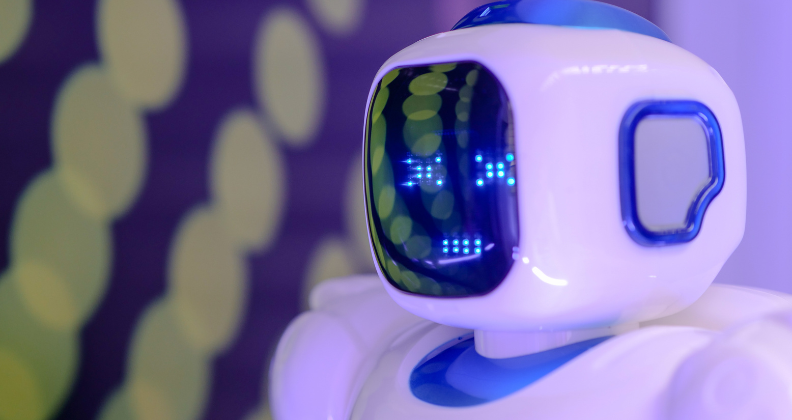
Artificial Intelligence in Healthcare
Artificial Intelligence (AI) is transforming the healthcare industry by improving diagnosis, treatment, and patient care. With its ability to analyze massive amounts of medical data, AI is becoming one of the most powerful tools in modern medicine.
1. Early Disease Detection
AI systems can detect diseases at very early stages. For example, AI-powered imaging tools can identify cancer cells, heart conditions, or neurological disorders more accurately than traditional methods. This allows doctors to provide treatment before the disease progresses.
2. Personalized Treatment
Every patient is unique, and AI helps in creating personalized treatment plans. By analyzing genetic data, medical history, and lifestyle factors, AI can recommend the most effective therapies tailored to each individual.
3. Virtual Health Assistants
AI chatbots and virtual assistants are being used in healthcare to answer patient questions, schedule appointments, and provide basic medical advice. This reduces the workload on doctors and makes healthcare more accessible.
4. Drug Discovery and Development
Developing new drugs is a long and expensive process. AI speeds up this process by analyzing chemical structures, predicting drug effectiveness, and identifying possible side effects, saving years of research and billions of dollars.
5. Improving Hospital Efficiency
Hospitals use AI to optimize patient flow, manage resources, and even predict the number of patients expected at certain times. This helps in reducing waiting times and improving overall healthcare quality.
Conclusion
AI in healthcare is revolutionizing the way we prevent, diagnose, and treat diseases. While it will never replace human doctors, AI provides them with powerful tools to deliver faster, safer, and more accurate medical care.